Camera Movement: A Key to Powerful Storytelling
Every great video or film narrates a story, not only through words and visuals but also through Camera Movement. The manner in which a camera moves in a scene imparts feelings, adds layers, and conveys meanings that are beyond the reach of freeze shots. Every type of camera movement from slow pans to dramatic tracking shots activates the audience’s feeling at a deeper level. This is the reason why mastering Camera Movement is considered one of the most powerful weapons for filmmakers or content creators in general.
Why Camera Movement Matters
Camera Movement is not just about visual appeal, it’s a narrative technique. It takes control of the viewer’s eyes, dictates the atmosphere, and in very subtle but powerful ways, reveals the feelings. For example, a gradual zoom can create stress while a shaky shot could immerse the audience in that situation and increase the tension. All the while, smooth tracking shots can be the viewer’s passage to a character’s transformation.
When movement is properly applied, it confers a sense of being there to the spectators. It makes them believe they are inside the picture, instead of merely viewing the event from afar. And that bond is what turns unremarkable footage into cinematic storytelling.
Different Types of Camera Movement
There are many ways to move a camera, and each serves a unique purpose. A pan gently sweeps from side to side, often used to reveal new information. A tilt shifts the frame up or down, perfect for showing scale or emotion. Tracking shots follow a subject through space, creating a sense of motion and continuity.
Then there’s the dolly shot, which moves the camera toward or away from a subject to build drama or intimacy. Handheld movements bring energy and realism, while crane or drone shots deliver breathtaking perspectives. The secret is choosing movements that enhance the story, not distract from it.
Balancing Movement and Meaning
Good directors don’t move the camera simply to move the camera. Each move must have a reason. The best choice is sometimes not to move the camera at all, to let the story tell itself. The trick is balance: utilize motion to guide emotion.
For example, a subtle push-in during a character’s emotional moment can make the audience lean in closer, both literally and emotionally. It’s about intent and rhythm, making every move count.
Bringing It All Together
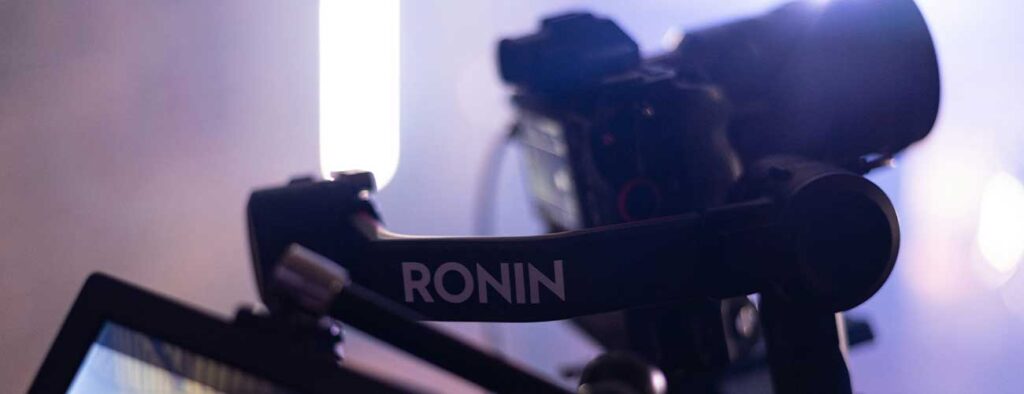
To master camera movement one needs allowances, trials, and getting the necessary gear. The use of top-quality stabilizers, gimbals, and rigs not only smoothes out but also adds a lot of beauty to commercial, music video, or short film productions. At Camera Rental Lagos, you can get the necessary equipment to make your movements smoother and to narrate your story with confidence. If you like shooting through the lens of smooth cinematic shots or through the creative handheld shots, the right equipment will help you make your dreams come true.
Thus, the next time you prepare for a shoot remember this, movement equals more than just motion. It is storytelling in motion. Paint with your camera, and allow each move to inject emotion, intention, and strength into your scene.