
How to Match Camera Gear to Your Production Budget
You have a shoot coming up, the creative direction is clear, and the budget is already tight. Then you start pricing cameras, lenses, lights and accessories. Suddenly, the equipment alone threatens to consume money you had reserved for the crew, locations and post-production.
This is where camera rental in Lagos can make a real difference. Instead of buying expensive equipment or renting the most impressive camera on the list, you can build a package around what the production actually requires. The trick is knowing where to spend, where to save and which pieces of equipment will make the biggest difference to the finished video.
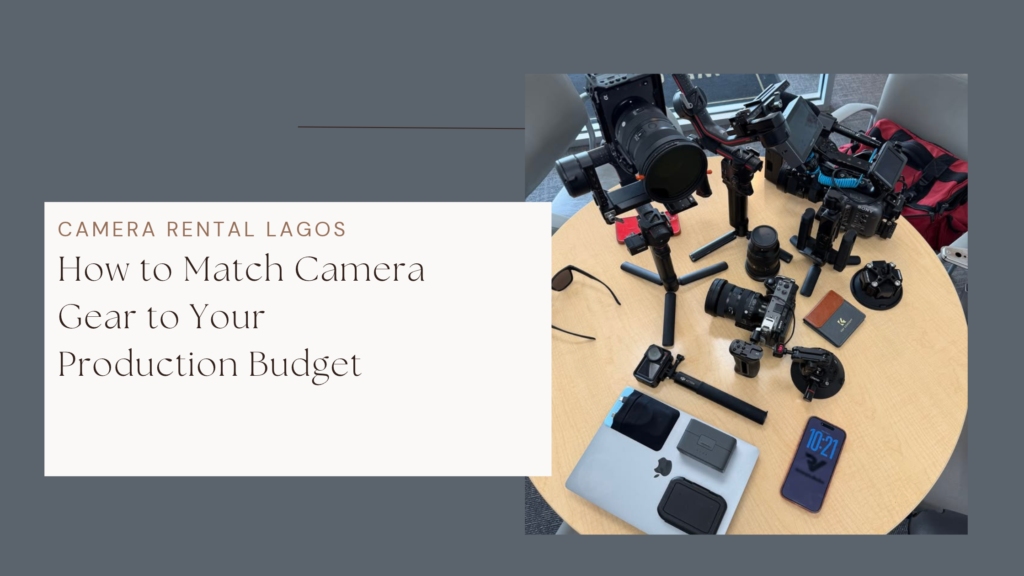
1. Decide What the Shoot Needs Before Choosing a Camera
Start with the video you want to create, not the camera you want to use. A corporate interview, a music video and a documentary may all require professional image quality, but their shooting conditions are very different. The right equipment depends on how you plan to film, where you will shoot and what the final video must achieve.
For example, a corporate interview in a controlled office may work well with a Sony FX3, a suitable lens, two lights and a reliable audio setup. A music video with moving camera shots and elaborate lighting may require additional support equipment. Choosing gear around the actual shots prevents you from paying for capabilities the production will never use.
2. Don’t Spend Your Entire Budget on the Camera Body
An expensive camera cannot fix every production problem. Poor lighting can leave an image flat, bad audio can make an interview unusable, and the wrong lens can make it difficult to capture the shots you planned. Yet these are the areas filmmakers sometimes under-fund after committing too much money to the camera itself.
Instead, divide your budget according to the production’s priorities. A documentary may benefit more from versatile lenses, spare batteries and dependable sound equipment than from a camera upgrade. Meanwhile, a product commercial might need carefully controlled lighting and specialized lenses to achieve the intended look. The best setup balances all these elements rather than allowing one item to dominate the budget.
3. Use Camera Rental in Lagos to Get the Right Gear for Each Job
One advantage of renting is that you don’t have to use the same equipment for every production. You can hire a compact camera setup for interviews, a cinema camera for a commercial or additional equipment for a demanding shoot without committing to the purchase price of every item.
However, compare complete packages rather than daily camera rates alone. A camera that appears affordable may require a separate lens, batteries, media cards, a monitor and other accessories before it is ready for filming. Browse Camera Rental Lagos to explore equipment options, then calculate the cost of everything you need to arrive on set ready to shoot.
4. Choose Lenses That Earn Their Place in the Package
Lenses influence the look of your footage, the amount of space you need and how easily you can capture a scene. A wide lens can help in a small Lagos office where you have little room to move backwards. A portrait lens can create a more intimate interview, while a versatile zoom can save time when the shooting schedule is tight.
Before booking, check the lens mount, focal lengths and compatibility with your camera. Don’t rent several lenses simply because they are available; choose the ones that serve specific shots. If you need a specialized focal length for one production, lens rental in Lagos can help you avoid buying equipment that may not be used again for months.
5. Remember the Costs That Don’t Appear in the Camera Price
A rental quote is only part of the calculation. You also need to consider transport, collection and return times, extra rental days, deposits and any accessories charged separately. In Lagos, a delayed call time or traffic disruption can complicate equipment returns, particularly when the crew has traveled across the city for a location shoot.
Additionally, confirm that the equipment will be available for your dates and ask how the rental provider handles faults or missing accessories. Check the camera, lens, batteries and recording media before leaving for the location. Reviewing camera equipment rental options can help you plan a more complete package instead of arranging essential items at the last minute.
6. Know When the Latest Camera Is Worth the Extra Cost
New camera models can be tempting, especially when a client expects cinematic results. However, the newest camera is not always the best use of your money. If an existing model already meets the project’s resolution, frame-rate and color requirements, the extra rental cost may deliver little noticeable improvement.
Consider the final delivery format and the equipment your crew already knows how to use. A camera upgrade makes sense when it solves a real problem, such as a low-light requirement, a specialized recording format or a demanding slow-motion sequence. For reference, Sony’s professional video resources provide information on professional camera systems and their capabilities.
Build a Package That Works as Hard as Your Budget
A successful production doesn’t depend on renting the most equipment. It depends on choosing the right tools for the shots, allowing enough time to use them properly and leaving room in the budget for everything else the production needs.
Before your next shoot, prepare a shot list, identify essential equipment and calculate the full rental cost, including accessories and logistics. Camera Rental Lagos offers equipment options for different production needs, so you can plan around the project instead of paying for gear simply because it looks impressive on a rental list. If you’re unsure which setup fits your budget, contact the team to discuss your requirements and confirm availability before booking.


