How to Take Better Photos of Food in Nigeria
Food photography is not just snapping pictures of your food, it’s capturing taste, culture, and feeling in one shot. If you want to take better photos of food in Nigeria, the key lies in mastering lighting, styling, and angles. From street food to Nigerian staples, your camera can uncover the charm in every plate when you have the tricks up your sleeve.

Why Nigerian Food Photography Stands Out
Nigerian food is colorful, textured, and lively. Consider jollof rice with its red color, suya with its smoky textures, or egusi soup with its foaming flavor. They are not just tasty, well captured, they are breathtaking. To learn how to take better photos of food in Nigeria is to learn how to give and bring out these natural qualities and to make sure that they are captured wonderfully.
Use Natural Light
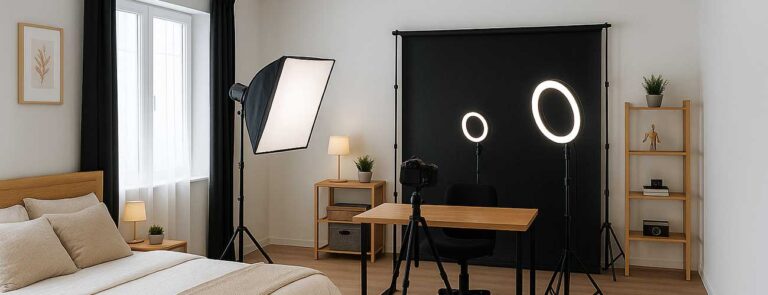
Lighting is everything in food photography. Harsh indoor lights can create unflattering shadows and unnatural colors. Instead, shoot near a window where natural light softens the scene. Early morning or late afternoon light works best because it’s warm and gentle. If the sun is too strong, use a thin curtain or white sheet to diffuse it.
Keep the Setting Simple
Clutter distracts from the food. Clear the table of unnecessary items and keep your background clean. A simple wooden table, a plain plate, or a neutral-colored cloth can make the dish stand out more. Nigerian meals are often already vibrant, so you don’t need too many extras competing for attention.
Focus on Angles
Some foods look most appealing from straight above, like jollof rice platters or puff-puff on a platter. Others, like yam and egg stacked high, look more visually appealing when taken at an angle. Try different angles until one makes the food look mouthwatering. One tip that photographers have is to take a photo at a 45-degree angle, which produces depth and makes the photo look natural.
Style with Care
Food styling doesn’t have to be complicated. Getting color and balance in your dish by having it garnished with fresh vegetables, herbs, or spices is sufficient. Suya, for example, is more attractive with slices of onion and tomato placed next to it. Pepper sprinkles over your dish can also beautify your photo. Details matter, remember.
Edit Without Overdoing It
Editing brings out the best in your photos, but excessive editing makes them look fake. Adjust brightness, contrast, and saturation to enhance the natural tones. Nigerian food already has overwhelming tones, so avoid filters that alter the originality of the meal.
Final Thoughts
Learning to take better photos of food in Nigeria is all about light, angles, and simple styling. By focusing on these basics, you can showcase the beauty of Nigerian dishes in a way that makes people hungry just by looking. And if you want your food photography to stand out even more, Camera Rental Lagos has the professional lenses, lighting kits, and accessories you need to capture every delicious detail.