How to Use Camera Controls for Effective Storytelling in Filmmaking
Filmmaking is not just recording moving images, it’s storytelling that touches people. To achieve this, filmmakers rely heavily on camera controls for effective storytelling. From exposure and focus to framing and movement, each control helps to direct emotions and shape the viewer’s experience. With careful use, camera settings become fine storytelling tools.
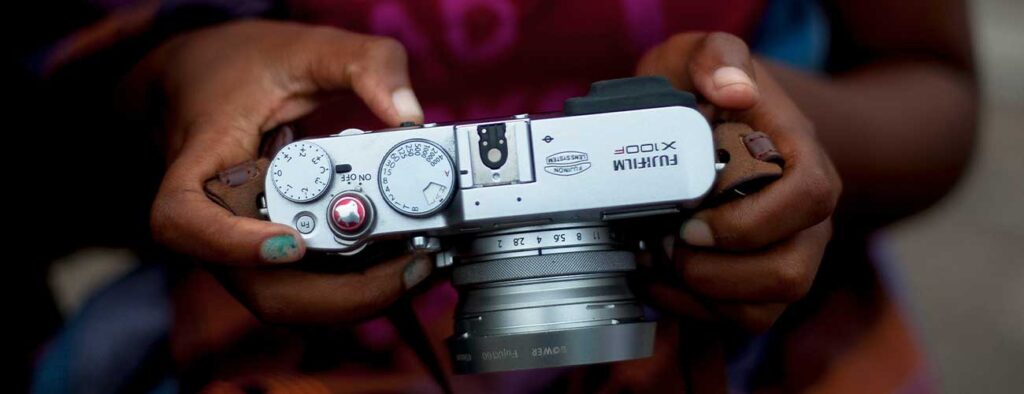
Why Camera Controls Matter
Every film maker wants their narrative to be brought to life. Control of the camera does not just record what is happening, it helps communicate meaning. From creating tension with slow zooms to showing vulnerability through shallow focus, choices you make have the power to influence the way people feel. Understanding camera controls for effective storytelling can turn a mundane shot into a powerful narrative moment.
Mastering Exposure and Lighting
Exposure plays a crucial role in mood. An underexposed image can create tension or mystery, while brightly lit, light frames can suggest openness or happiness. Control over aperture, shutter speed, and ISO gives you the leeway to adjust according to different requirements in storytelling. Add these with intentional lighting, and you can literally have scenes speak to the feelings of the audience.
Using Focus for Emphasis
Emphasis isn’t technical, it’s emotional. A sharp subject against a blurry background tells the viewer exactly where to look. Rack focus, for example, can shift attention from one individual to another, changing the perspective of the story in the moment. Such effortless choices demonstrate how emphasis becomes storytelling itself.
Camera Movement as a Narrative Tool
Not just what the camera sees but also the way it moves is significant. A handheld shot is gritty and engaging, while smooth tracking suggests elegance or peace. Panning, tilting, and dolly shots guide the viewer’s eye, a bit like a narrator telling us where to look. This makes camera movement a language of storytelling in itself.
Framing and Composition
Not just what the camera sees but also the way it moves is significant. A handheld shot is gritty and engaging, while smooth tracking suggests elegance or peace. Panning, tilting, and dolly shots guide the viewer’s eye, a bit like a narrator telling us where to look. This makes camera movement a language of storytelling in itself.
Final Thoughts
Filmmaking thrives on choices, and understanding camera controls for effective storytelling is what separates average visuals from meaningful cinema. By mastering exposure, focus, movement, and composition, filmmakers can bring depth and emotion to every scene. At Camera Rental Lagos, we provide the tools you need to make storytelling easier whether it’s cameras, lenses, stabilizers, or lighting kits. With the right gear in your hands, every frame becomes a chance to tell a powerful story.